Why Did TGT Break Up? The Anatomy of an R&B Supergroup's Demise
The world of R&B was buzzing with anticipation when Tyrese Gibson, Ginuwine, and Tank – three titans of the genre – joined forces to form the supergroup TGT. Their debut album, "Three Kings," was a commercial and critical success, promising a new era of mature, soulful R&B. Yet, much like many celebrated musical collaborations, TGT's reign was surprisingly short-lived. Fans were left wondering:
Why did TGT break up? The answer, as often happens in high-stakes creative ventures, is a complex tapestry woven with threads of money, ego, and public communication missteps.
The Lure of the Supergroup: From Friendship to Fractured Business
The concept behind TGT was brilliant: leverage the individual star power and dedicated fan bases of Tyrese, Ginuwine, and Tank. Each artist brought a unique blend of vocal talent, stage presence, and a storied career. Tyrese, known for his smooth vocals and acting career; Ginuwine, the charismatic performer behind numerous hits; and Tank, a powerhouse vocalist and prolific songwriter. Together, they represented an R&B dream team, poised to deliver a mature sound that resonated deeply with a loyal audience.
Initially, their collaboration reportedly stemmed from a place of friendship and a shared desire to create something special for their fans. However, as the group gained traction and "real money" started flowing in, the dynamics inevitably shifted from camaraderie to complex business negotiations. The transition from individual solo acts, each with their own established value and demands, to a single, unified entity proved to be the ultimate test. It highlighted the inherent challenge of merging three distinct brands and careers under one banner, each accustomed to a certain level of autonomy and financial expectation.
Money Matters: The Unresolved Division of Wealth
At the heart of TGT's dissolution lay a fundamental disagreement over financial compensation. When three successful solo artists come together, the question of how to split performance fees and group revenue becomes paramount. Should everything be divided equally, or should compensation reflect each member's perceived drawing power and solo market value? This was the core issue that TGT failed to resolve, becoming the primary crack in their foundation.
According to various accounts and later reflections by the members, Tyrese, with his substantial solo career and ventures beyond music, reportedly pushed for a larger percentage cut, believing his individual pull justified it. Conversely, Ginuwine and Tank advocated for a more equitable distribution, arguing that the "supergroup" model inherently implied shared success. Ginuwine's own illustrious hit history and Tank's significant contributions as a songwriter further fueled their belief in a fairer, perhaps even split.
This wasn't merely about greed; it was about the *perception* of value, contribution, and ultimately, fairness. In any collaborative business, defining "fair" can be incredibly subjective. Is it based on name recognition? Time invested? Creative output? Or simply an even split for being part of the team? This unresolved contention became a persistent source of internal tension, overshadowing their creative synergy. The inability to reach a mutually agreeable financial structure proved to be a critical, unmovable obstacle, illustrating how monetary disputes can unravel even the most promising partnerships. To delve deeper into these persistent financial discussions, you might find valuable insights in
Tank Questions Tyrese: The Ongoing TGT Breakup Story & Money Disputes.
Ego, Public Spats, and the Social Media Fallout
The internal strain eventually reached a breaking point, leading to Ginuwine's decision to step away from the group. Rather than a quiet, behind-the-scenes resolution or a joint statement, the breakup was thrust into the public eye, largely initiated by Tyrese. In December 2015, Tyrese announced on social media that TGT was over, implying that the group would continue without Ginuwine. While not explicitly blaming anyone, the unilateral nature of the announcement and the phrase "move on without Ginuwine" stirred significant backlash and confusion among fans and industry observers alike.
This public declaration marked the official end of TGT's original lineup and quickly escalated the private disagreements into a full-blown public spectacle. Tank wasted no time in publicly attributing the split to Tyrese's stance on money, alleging that Tyrese refused to divide things fairly. Both Tank and Ginuwine criticized Tyrese's handling of the breakup, calling out aspects of his public communications on various social platforms and in subsequent interviews.
The incident serves as a stark reminder of the double-edged sword that social media presents for public figures. While it offers a direct channel to fans, it can also amplify disagreements, solidify narratives, and make reconciliation significantly more challenging once details are aired publicly. The TGT breakup became a textbook case of how unresolved internal conflicts, when combined with rapid, uncoordinated public announcements, can lead to irreversible damage to a group's reputation and future prospects. For a more detailed look at how these public exchanges played out, explore
The TGT Breakup: How Social Media & Solo Star Ego Ended the R&B Group.
Different Perspectives: Unpacking Individual Narratives
The narrative surrounding TGT's demise is further complicated by the varying perspectives of its members. Each artist has offered their own interpretation of "
why did TGT break up," painting a multifaceted picture that highlights the personal and professional stakes involved.
*
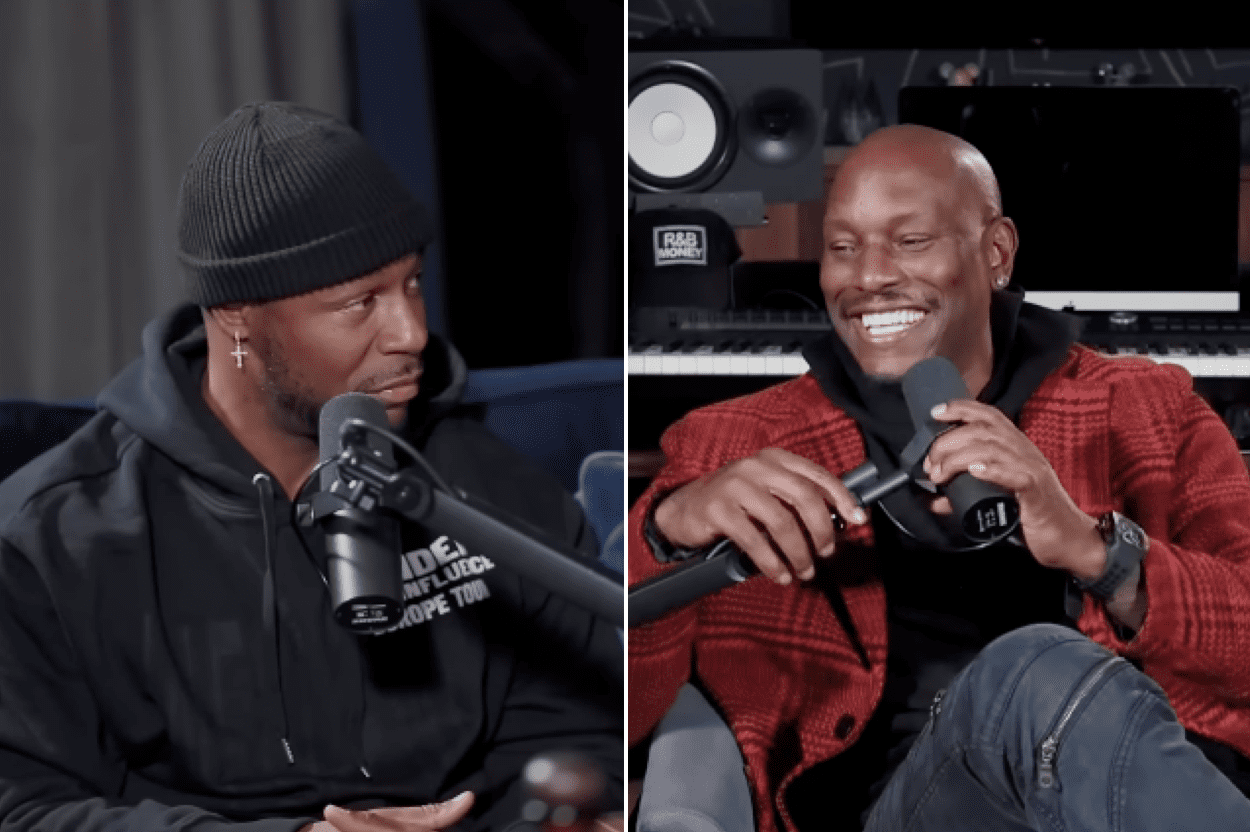
Tyrese's Side: Often framed as a pragmatic business decision, Tyrese's argument suggests that the group dynamic fundamentally changed when Ginuwine decided to leave. From this viewpoint, money expectations had to be adjusted to reflect the market reality and the commitment of the remaining members. His appearance on the "R&B Money" podcast, where Tank directly asked him about the breakup, saw Tyrese initially caught off guard, then redirecting to discuss the complexities of percentage splits at Atlantic Records, suggesting it was purely a business hurdle.
*
Tank's Side: Tank has consistently pointed to Tyrese's alleged unwillingness to split money fairly and his public handling of the breakup as key reasons for the group's inability to last. He has expressed regret that the group never lived up to its potential after their first album, acknowledging the disappointment felt by fans.
*
Ginuwine's Side: Ginuwine has often indicated that the behind-the-scenes issues and inner conflict, particularly the business disagreements, ruined something that started from a place of friendship and a desire to give fans something unique and special. His decision to leave underscored a desire to avoid continuous conflict.
These differing accounts underscore that breakups, especially in creative collaborations, rarely have a single cause or a sole "villain." They are typically a confluence of factors, where ego, financial disparities, communication breakdowns, and individual aspirations collide.
Conclusion
The question, "
Why did TGT break up?" ultimately boils down to the classic rock-and-roll story, albeit in an R&B context: a clash of money and ego, exacerbated by public missteps. While their debut album "Three Kings" showcased their immense collective talent, the inherent challenges of merging three established solo careers proved insurmountable. The inability to agree on a fair financial structure, combined with Ginuwine's departure and Tyrese's subsequent public announcement, sealed the group's fate.
TGT's story serves as a compelling cautionary tale for any supergroup or collaborative project. It highlights the critical importance of not only artistic chemistry but also robust business agreements, clear communication strategies, and a shared vision of equity, both creative and financial. While the group's members have since moved on with their individual careers, the legacy of TGT remains a poignant reminder of what could have been, and the complex human dynamics that can ultimately unravel even the most promising musical alliances.